Publishing with Integrity
A weekly newsletter that discusses scholarly research with a strong focus on research integrity
Weekly newsletter | Published on LinkedIn
01 Oct 2026 | Edition 027
You are the Editor-in-Chief and someone challenges a paper that was published five years ago. Is it your problem?
You did not handle the submission, choose the reviewers or accept the paper. But you are now the Editor-in-Chief. When an integrity concern emerges from the journal's past, who is responsible for dealing with it? ...
24 Sep 2026 | Edition 026
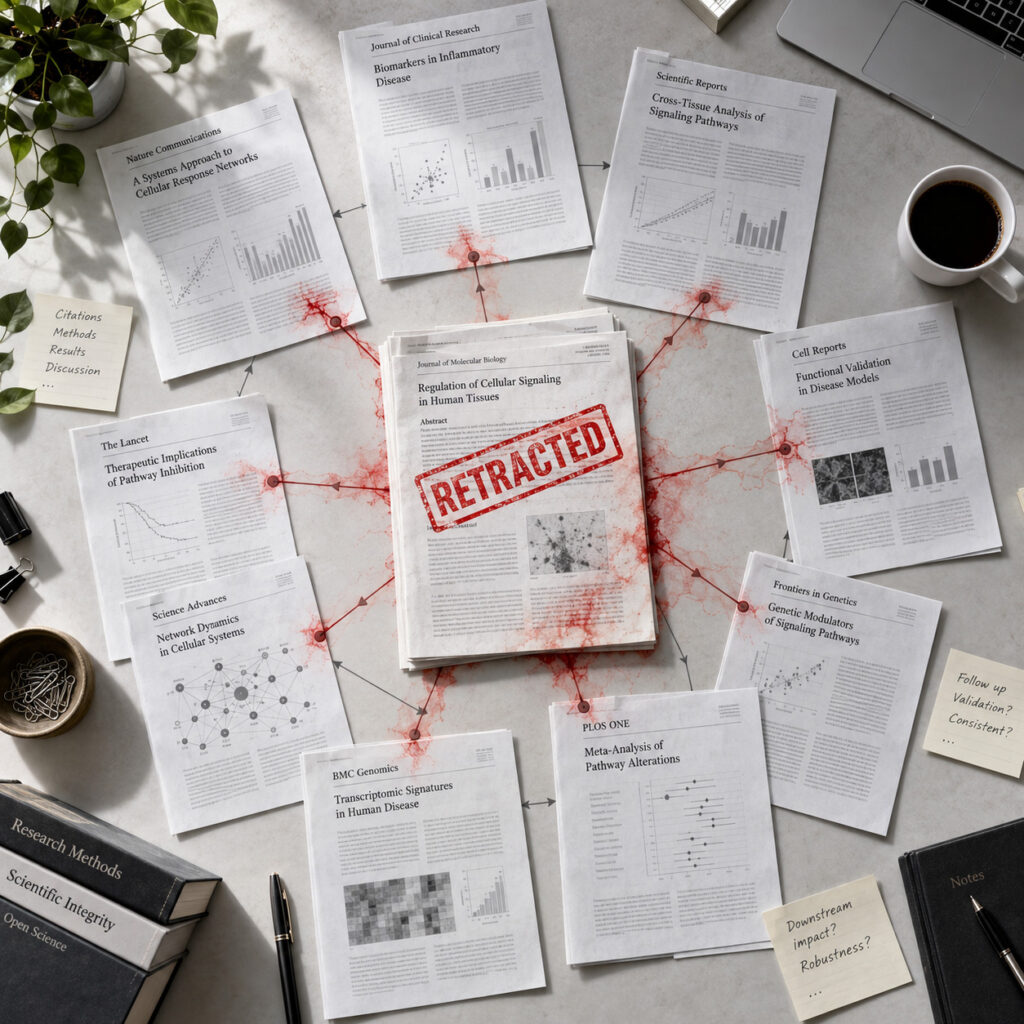
A paper is retracted. What happens to everything that cited it?
A retraction changes the status of one paper. But research does not exist in isolation. Other papers may have cited it, relied on its data, adopted its methods or incorporated its findings into systematic reviews. So what happens to that downstream research when the original ...
17 Sep 2026 | Edition 025
Adding Authors After Submission: How Difficult Should It Be?
Authors sometimes need to be added to, removed from or reordered on a paper after submission. There can be perfectly legitimate reasons for doing this. But authorship changes can also be a warning sign of gift authorship, authorship sales or paper-mill activity. How difficult should ...
10 Sep 2026 | Edition 024
Should Authors Have to Prove Who They Are?
Last week I asked whether journals really know who their authors are. In most cases, they do not. If that is a weakness in scholarly publishing, should authors have to prove who they are before their work is published? ...
03 Sep 2026 | Edition 023
Do Journals Actually Know Who Their Authors Are?
Authorship matters enormously in academia. It influences careers, promotions, grants, rankings and reputations. Yet when we submit a paper, how much does the journal really know about who we are? In an age of paper mills, authorship-for-sale and organised research fraud, is it still enough ...

27 Aug 2026 | Edition 022
Your Paper Was Published. Can the Journal Delete It?
Retraction does not normally make a published paper disappear. Even papers containing serious errors, fabricated data or plagiarism usually remain part of the scholarly record, clearly marked as retracted. When, if ever, should a journal be able to delete a published article completely? This edition ...